 (Image source: Gemini)
 Does your living room ever feel more like a busy transit lounge than a home? You know the scene. Everyone is physically present, but mentally, they're miles away, buried in their own screens or lost in the mental load of tomorrow's to-do list. In our current 2026 reality, where the line between work and home has practically vanished, creating a truly supportive environment takes more than just good intentions. It takes an approach.
The good news is that we're seeing a massive shift in how families operate. We've moved past the era of "permissive" parenting, where anything goes, and we've landed on something much more sustainable called Lighthouse Parenting. Think of yourself as that steady beacon on the shore. You aren't hovering over your kids like a helicopter, and you haven't checked out like a free-range parent. You're there to provide the light and the boundaries while they handle their own waves.
Building Intentional Communication
If you want a home that feels emotionally healthy, you have to start with how you talk to each other. It sounds simple, but real communication is usually the first thing to go when life gets hectic. We fall into "logistical talk" (Did you do your homework? What's for dinner?) and forget to actually connect.
Try setting a "device bedtime" for the whole house. At 8:00 PM, every phone goes into a central charging station in the kitchen. This eliminates "technoference," which is that annoying habit of phone-snubbing the people sitting right next to you. Once the screens are gone, you can implement a ten-minute check-in. This isn't a performance review. It's just a space to be together without a notification pinging every thirty seconds.
Have you ever tried to vent to your partner or child only to have them immediately jump in with a solution? It's frustrating. Most of the time, we just want to be heard. Practice the art of validating feelings over offering fixes. If your teen says they're stressed about a project, try saying, "That sounds like a lot of, I can see why you're feeling that way." This simple shift builds a massive amount of trust because it tells the other person their internal world is safe with you.
Conflict is going to happen. It's a sign of a healthy, honest family. The trick is keeping it constructive. Instead of saying, "You never help with the dishes," which puts everyone on the defensive, try, "I feel overwhelmed when the kitchen is messy after dinner." It shifts the focus from blame to your own experience. It's a small linguistic tweak that prevents a minor annoyance from turning into a full-blown blowout.
Establishing Meaningful Family Rituals
Rituals are the glue of family identity. They create a sense of belonging that tells everyone, "This is who we are, and this is how we do things." These don't have to be grand, expensive gestures. In fact, the low-pressure ones usually work best.
There is a mountain of evidence suggesting that regular family meals are a game-changer for mental health. It doesn't have to be a four-course dinner every night. Even a fifteen-minute breakfast counts. Use this time for the "Rose, Bud, Thorn" ritual. Each person shares one highlight (Rose), one thing they're looking forward to (Bud), and one challenge (Thorn). It gives you a snapshot of everyone's emotional state without it feeling like an interrogation.³
Maybe it's a Saturday morning pancake session or a Sunday evening walk around the block. These traditions provide a predictable rhythm to the week. In a world that feels increasingly chaotic, that predictability is a form of emotional safety. These shared experiences build what experts call a "family identity." When kids feel like they belong to a strong "team," they're much more resilient when things go wrong in the outside world.
Building an Environment of Emotional Safety
An emotionally healthy home isn't one where everyone is happy all the time. That's actually a red flag. A healthy home is one where it's safe to be sad, angry, or disappointed.
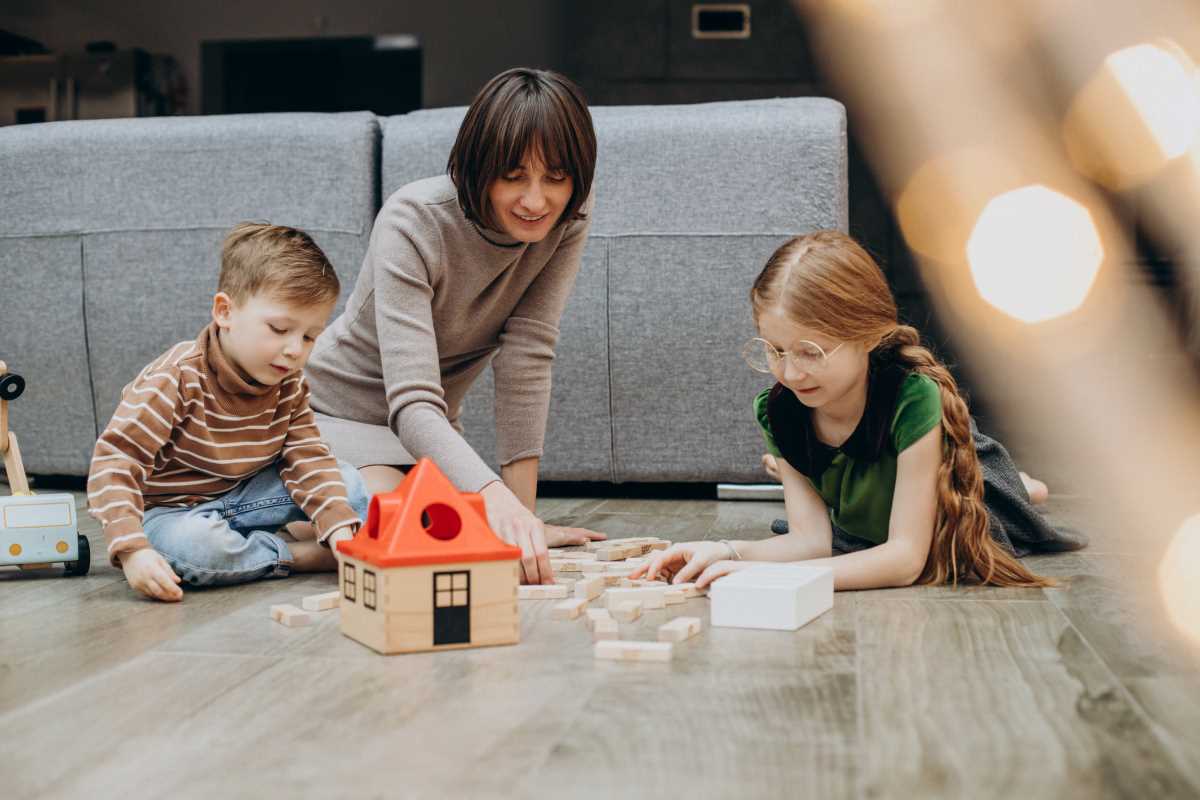
In 2026, we're focusing heavily on "Emotion Naming." Instead of telling a crying child to "toughen up" or "be happy," we name the feeling. "You're feeling frustrated because that tower fell over." When we name an emotion, it loses some of its power over us. It also teaches kids that feelings aren't "bad" or "scary." They're just information.
You don't have to be a perfect, unflappable superhero. In fact, your kids need to see you handle your own big feelings. If you've had a rough day at work, tell them. "I'm feeling a bit grumpy because work was stressful today, so I'm going to take five minutes to breathe before we start dinner." This models self-regulation better than any lecture ever could. It gives them permission to be human, too.
Respect is a two-way street. This means respecting a child's need for privacy or their right to say "no" to a hug from a relative. When you model and respect boundaries within the home, you're teaching your children how to demand respect in their future relationships. It's about creating a culture where everyone's physical and emotional space is honored.
Collaborative Problem-Solving and Shared Responsibility
A supportive home shouldn't rest entirely on one person's shoulders. When everyone contributes, everyone feels invested in the family's success.
Once a week, sit down for twenty minutes to discuss the upcoming schedule and any household needs. This is the time to handle the "business" of the family so it doesn't leak into your relaxation time. Let everyone have a voice. If the chore rotation isn't working, ask for suggestions on how to fix it. This brand of collective decision-making helps kids and reduces the "us vs. them" dynamic between parents and children.
Chores aren't just about a clean house. They're about life skills and teamwork. In 2026, we call this "FAFO" - Find Out and Figure Out. Give your kids age-appropriate responsibilities and let them handle the consequences if they aren't done. If they don't put their laundry in the bin, they don't have clean socks for soccer. It's a natural consequence that teaches accountability far better than nagging ever will.²
Prioritizing Quality Over Quantity
We've all heard that we need "more" time with our families, but the truth is that burnt-out parents can't provide high-quality connections. With 65% of working parents reporting burnout this year, it's time to stop aiming for "perfect" and start aiming for "present."
You cannot pour from an empty cup. If you're constantly on the edge of a breakdown, your kids will feel that tension. Prioritize your own mental health, whether that's through exercise, a hobby, or just getting enough sleep. Recognizing when you're at your limit and asking for help isn't a sign of weakness. It's a leadership move for your family.
If you're looking to level up your family's emotional intelligence or streamline your household management, here are a few tools and resources currently leading the way in 2026.
- Lighthouse Parenting Workshops: Online courses that help you find the balance between being too strict and too permissive.
- Digital Wellness Hubs: Hardware solutions that help manage "technoference" by creating physical boundaries for devices.
- Emotion Coaching App: Simple tools designed to help parents and kids name and process their feelings in real-time.
Sometimes, despite our best efforts, things still feel "off." With nearly 60% of teens reporting anxiety or depression in recent studies, it's important to know when to bring in a professional. Seeking family therapy or a coach isn't a "failure." It's an investment in your family's long-term health. Think of it like a tune-up for your car. You don't wait for the engine to explode before you see a mechanic.
This article on uplified.com is for informational and educational purposes only. Readers are encouraged to consult qualified professionals and verify details with official sources before making decisions. This content does not constitute professional advice.